Aquatic Wildlife Identification
Learn the common names of wildlife found in and around Yankee Lake, and how to distinguish one species from another.
Aquatic Wildlife Identification at Yankee Lake
Our Thanks to Fred Harding for Assistance with this Webpage
We are so fortunate to have an abundance of wildlife in and around Yankee Lake. The purpose of this page is to help you to identify our lake's fish and other aquatic wildlife. Click on an item of interest below to see pictures, common names, and identifying characteristics for that aquatic animal.
Bass
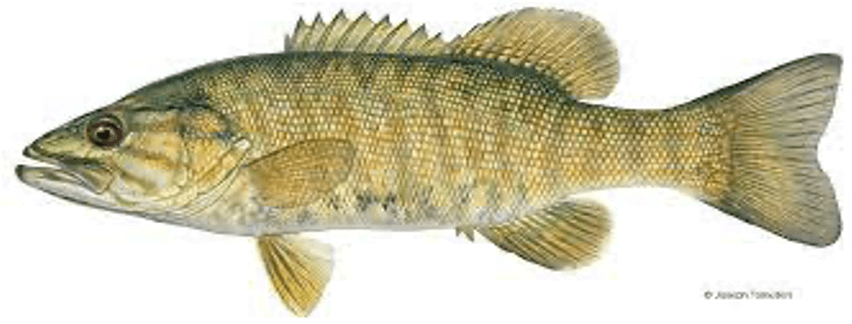
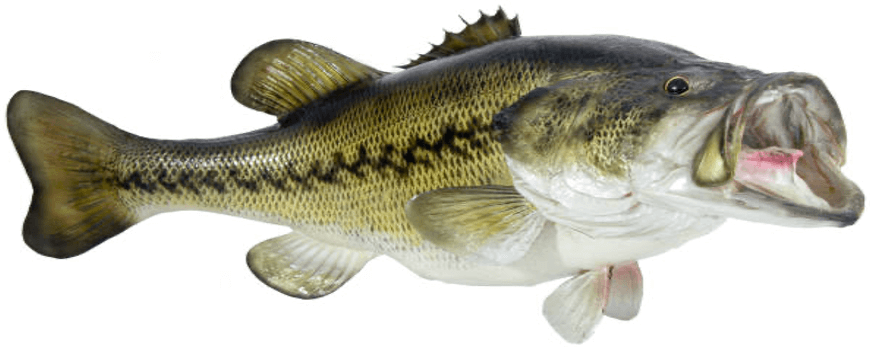
Largemouth Bass (Micropterus salmoides)
The largemouth bass is a notable warm water sports fish and provides excellent eating. Bass will reproduce in their second or third year. They can potentially reach 8 – 10" by their second year. In the northeast, they will grow to a maximum of 7 – 9 pounds, but usually averaging 2 – 4 pounds.
Largemouth bass are voracious predators, and this should be taken into consideration when added to a pond's ecosystem.
Spawning begins about mid-May when pond temperatures reach 62 – 65° F. The male prepares the nest, usually a 1 – 2 foot circular area in about 2 feet of water. One or more females will deposit several thousand eggs. Hatching occurs in 8 – 10 days. The male guards the fry for about 2 weeks and then will feed on them. Only about 1 in 1,000 will reach adult size in natural conditions.
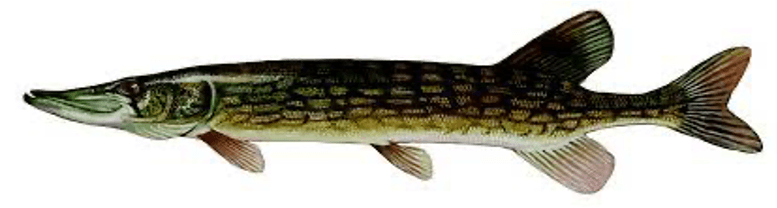
Pickerel
Sunfish
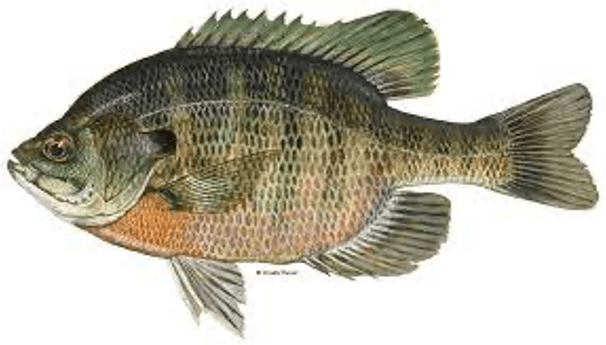
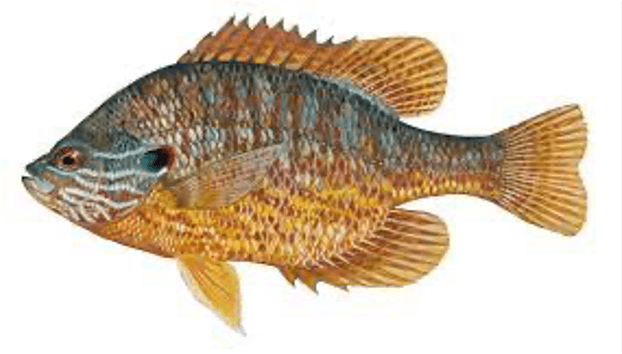
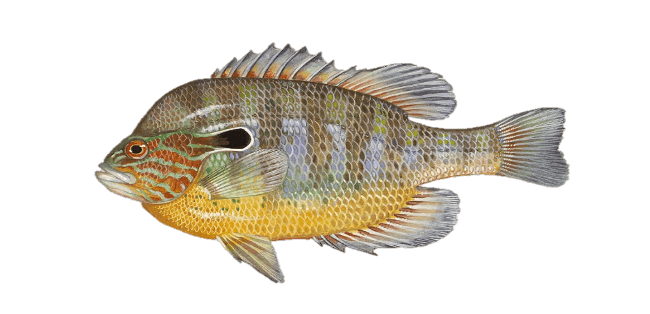
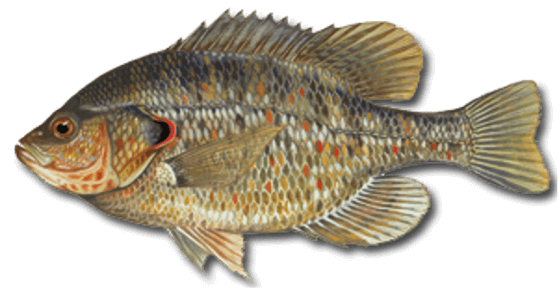
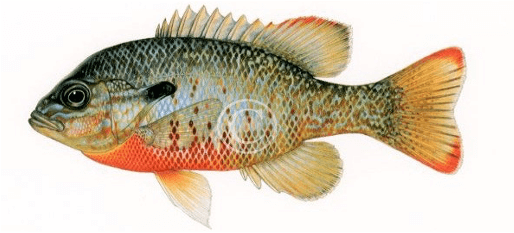
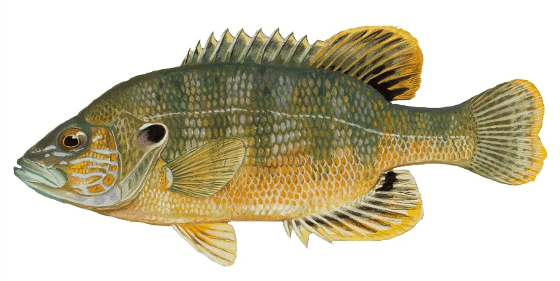
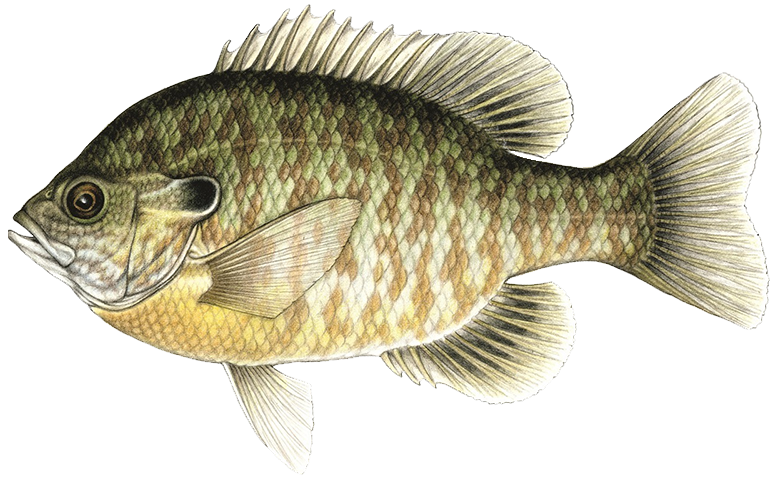
This combination yields high numbers of male fish, leading to less overpopulation than with other bluegill species. The hybrid bluegill will also grow larger, reaching 1½ – 2 pounds. The hybrid's large mouth, combined with its aggressive feeding, makes it easy and fun to catch. Bluegills spawn when water temperatures reach 67° F. Shallow, saucer-like nests are made and guarded by the males.
Crappie
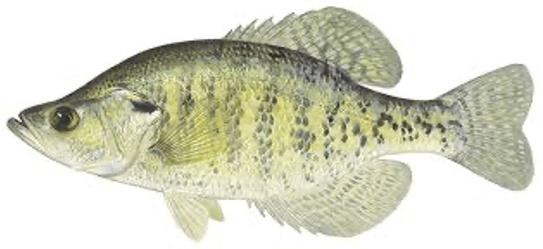
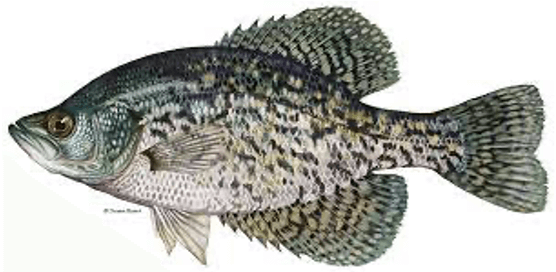
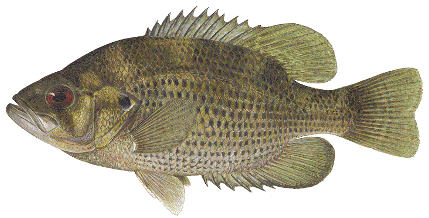
Black Crappie (Pomoxis nigromaculatus)
The black crappie is a popular panfish throughout the US and prefers quiet, weedy waters. They will typically reach 8 inches in length by their second year, averaging about a pound in weight.
Crappie readily spawn in lakes or ponds in the spring or early summer months in 1 – 3 feet of water, forming saucer-shaped nests near aquatic vegetation.
Traveling in schools, crappie are easily caught in late spring.
Perch
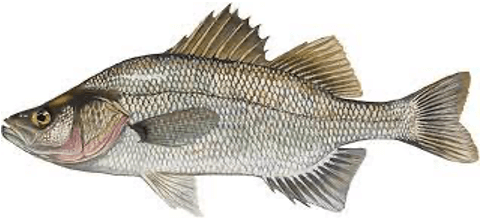
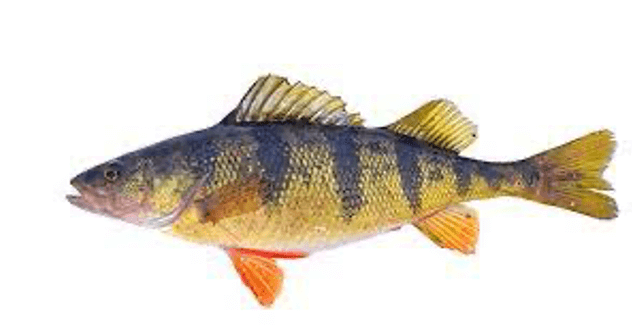
Yellow Perch (Perca flavescens)
The yellow perch is regionally known as the "striped perch" or "jack perch."
Perch will reach eight inches in length by their second year, and may weigh up to 2 pounds.
They readily spawn in lakes or ponds when the water temperature reaches 45 – 50° F. The females deposit a gelatinous mass of eggs over weeds or brush in several feet of water.
Traveling in schools, perch tend to stay in deeper water in daylight, moving toward the shallows at night. Fishing for perch can be done at all times of the year.
Catfish
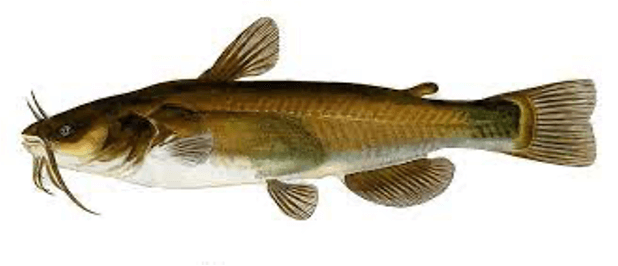
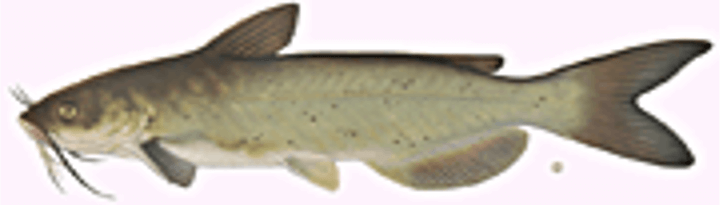
Channel Catfish (Ictalurus punctatus)
Channel catfish are distinguishable from other catfish and bullheads by a forked tail and the presence of black spots on its side. They do not muddy a pond like bullheads.
Channel catfish will strike bait or lures and are considered excellent eating, averaging 2 – 5 pounds in optimal settings.
Spawning will occur when the water temperature reaches 70° F, usually in crevices or burrows under banks and rocks. Typically, in a pond setting, catfish need some sort of breeding structure, such as stumps, to reproduce successfully.
Eel
Minnows
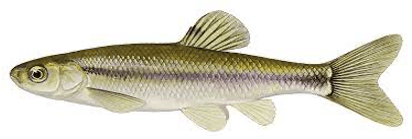
Fathead Minnows (Pimephales promelas)
The fathead minnow provides excellent forage for most game species, and they are a recommended component for a balanced ecosystem. They are "feeder-fish" for bass and catfish and the other native species in our lake, allowing the young of our preferred species not to be all gobbled up before they mature.
Fathead minnows are essentially a long-term nutrition program for our preferred species. They are favored over other types of shiners or chubs because they will breed in a pond and do not compete with other species. They are hardy fish and survive in a wide range of temperatures and pond sizes. They can be restocked often to ensure proper feed ratios for game fish.
Fathead minnows are a fresh water fish native to most states, so they are not an invasive species to our waters.
Flat stones or boards, which can be added around the pond edge, facilitate spawning, and provide cover. Pond edges can be surveyed in the early spring to determine if a minnow population exists and is reproducing.
Fathead minnows are very prolific. Spawning begins when the water temperature reaches 60 – 65° F in late May, and repeats monthly during the summer until the water cools below 60 degrees in the fall.
Female fathead minnows lay up to 500 eggs per spawn. The female deposits eggs into nesting spots and, after fertilization, the male takes over and guards it. The eggs hatch in about five days. Fathead minnows generally reach 2 – 3 inches in length when mature, and they live two to three years.
Crayfish, Mussels, and Snails
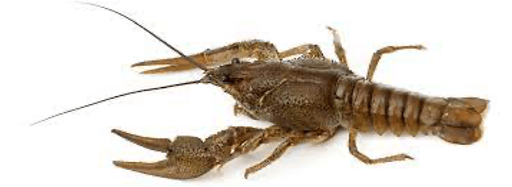
Crayfish (Orconectes Immunis)
Crayfish are not fish at all, but crustaceans. Cousins to lobsters!
Crayfish provide excellent forage for most game species. Hardy and tolerant of a wide range of water temperatures, they conceal themselves under rocks and logs and are most active at night.
Crayfish average 1 – 3 inches in length, and reach adult size in 3 – 4 months.
In the northeast, breeding occurs in their second year in the late summer, with eggs being carried until hatching the following spring. Crayfish feed on living and dead plants and animals.